Educational Nutrient Awareness Resource
An informational overview of everyday lifestyle perspectives related to general nutrient awareness in men's daily routines and balanced eating habits.
Educational content only. No promises of outcomes.
Explore Educational Content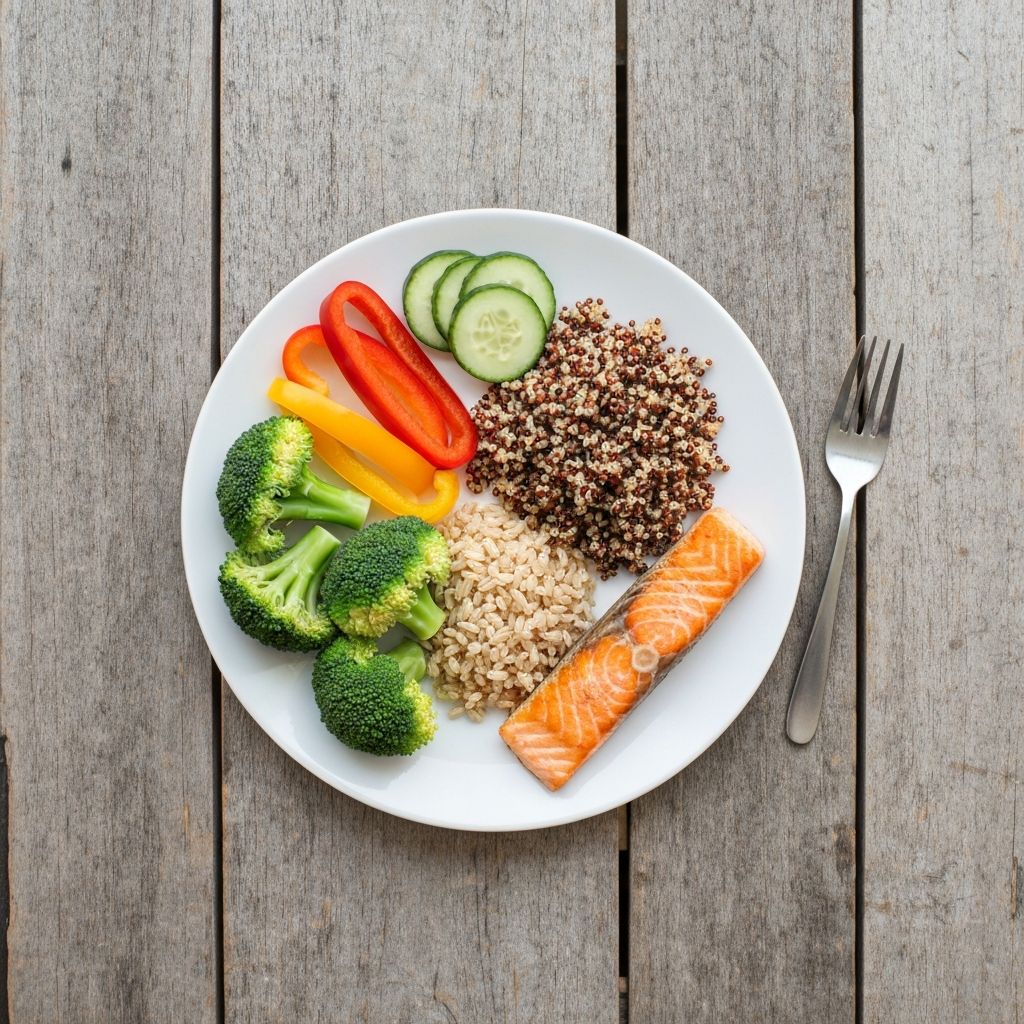

Daily Eating Context
Everyday eating patterns vary widely across individuals and cultures. This section provides an educational overview of how different food choices appear in daily routines.
Understanding the role of various food groups in everyday meals helps build general awareness about nutrition without prescribing specific dietary changes.
Common eating patterns include three main meals supplemented with occasional snacks, though cultural and personal preferences create significant variation in these routines.
Nutrient Awareness Basics

Proteins in Daily Diet
Proteins are found in various everyday foods including meat, fish, eggs, legumes, and dairy products. They serve as building blocks in the body's natural processes.
Common protein sources appear in traditional meals across different cultures, from Mediterranean fish dishes to Central European meat preparations.
Carbohydrates Overview
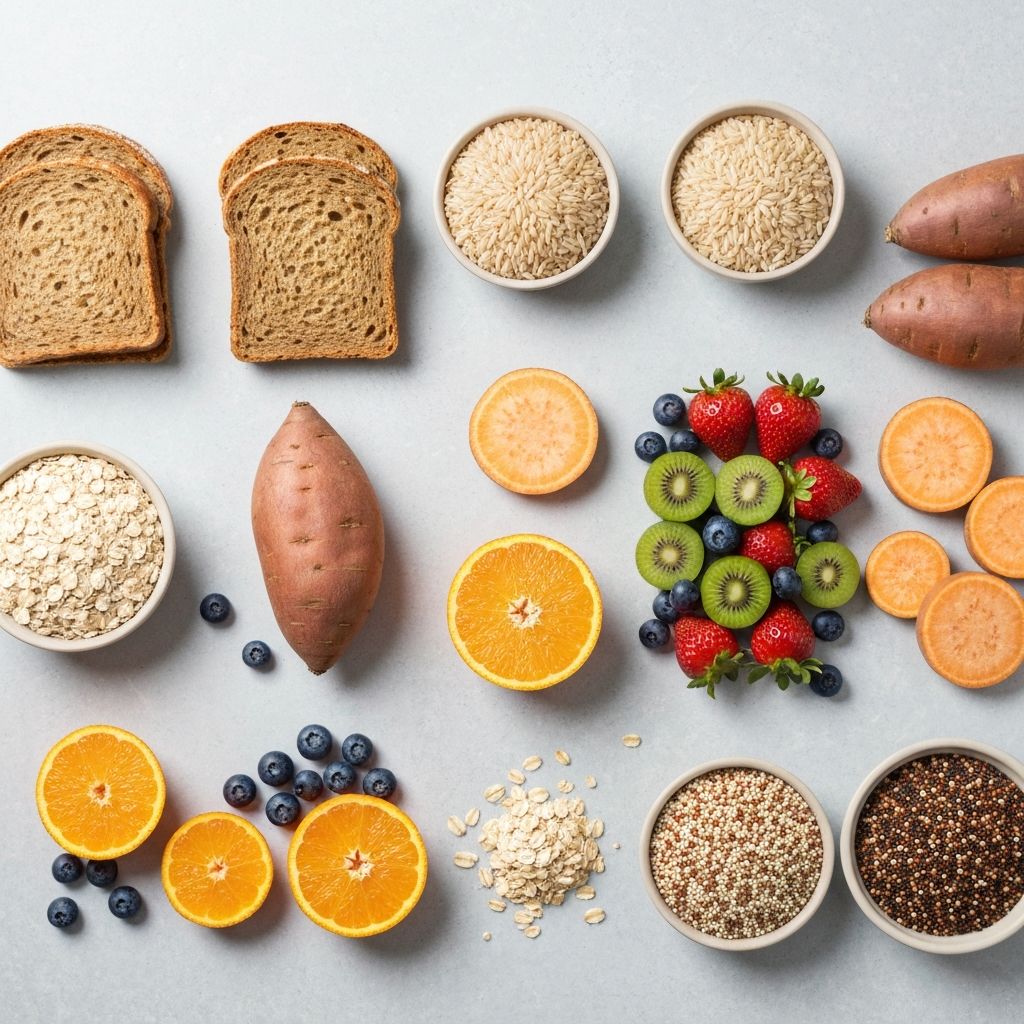
Carbohydrates appear in grains, vegetables, fruits, and legumes. They represent a primary energy source in most traditional eating patterns worldwide.
Different types include simple sugars found in fruits and complex carbohydrates present in whole grains and root vegetables.

Fats in Nutrition Context
Dietary fats appear in nuts, seeds, oils, fish, and dairy. They play various roles in nutrient absorption and cellular functions.
Sources range from plant-based oils like olive oil to animal-based fats found in dairy products and fish.
Lifestyle Patterns
General observations about everyday lifestyle approaches that incorporate various eating habits and physical activity levels.
Active Lifestyle Context
Individuals with physically active routines often adapt their eating patterns to match their energy expenditure. This might include more frequent meals or larger portions.
Physical activity ranges from structured exercise to everyday movement like walking, cycling, or manual labor.
Sedentary Routine Patterns
Office-based or sedentary lifestyles typically involve different eating patterns compared to active routines. Energy needs vary accordingly.
Many individuals balance sedentary work with recreational activities or structured exercise during non-working hours.
Educational Product Examples
General informational overview of common food categories that appear in everyday balanced eating patterns. This is educational context only.
Leafy Green Vegetables
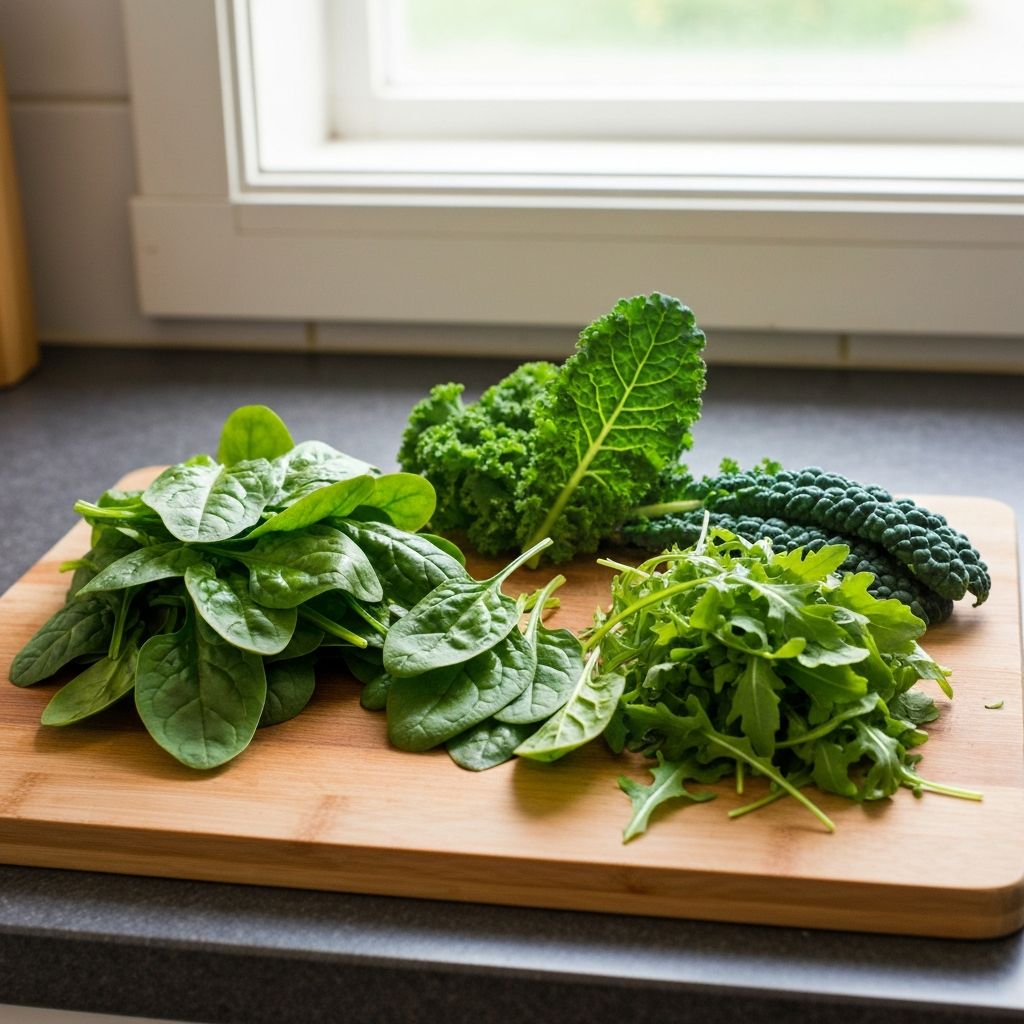
Spinach, kale, arugula, and similar vegetables contain various vitamins and minerals. They appear in salads, smoothies, and cooked dishes across many cuisines.
These vegetables represent common ingredients in Mediterranean and Central European cooking traditions.
Read More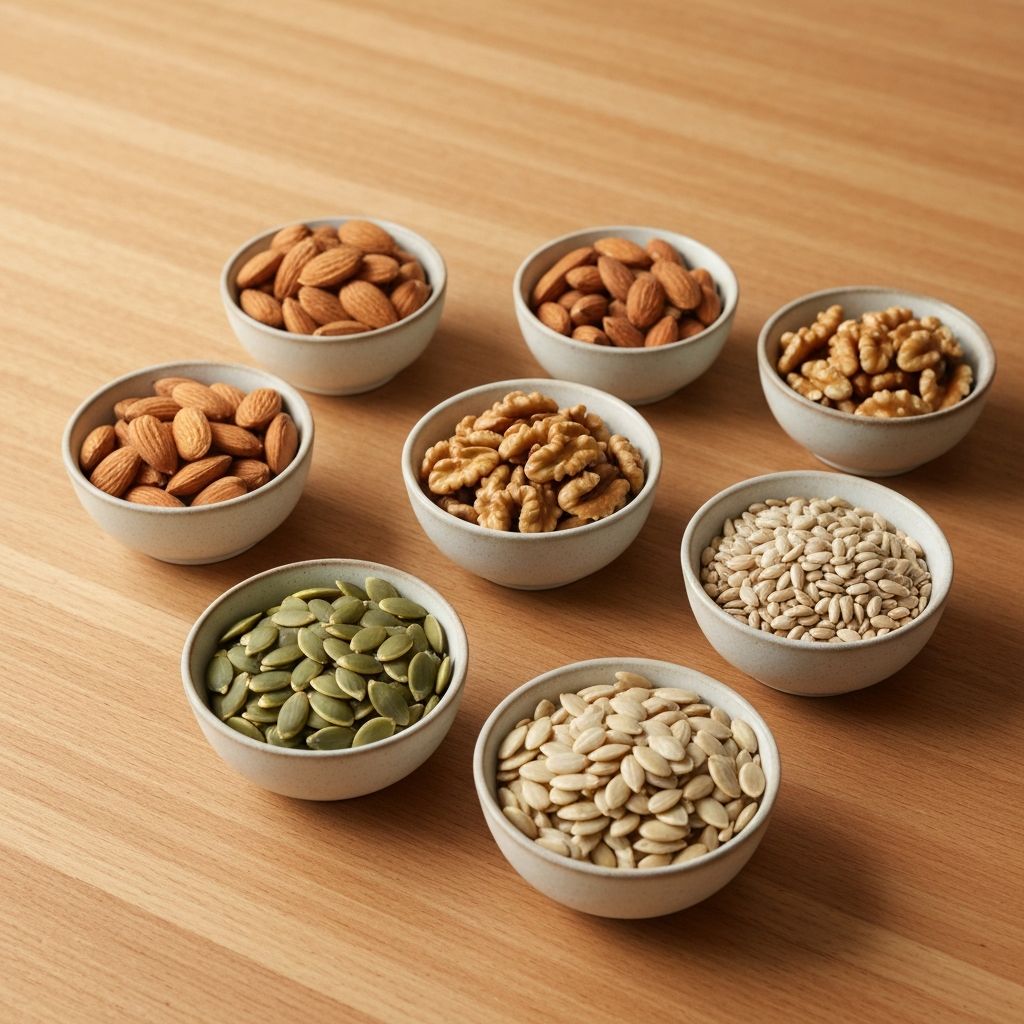
Nuts and Seeds
Almonds, walnuts, pumpkin seeds, and sunflower seeds provide fats, proteins, and various micronutrients. They serve as snacks or meal additions.
Common in Austrian and European cuisines, these ingredients appear in both traditional and modern eating patterns.
Read More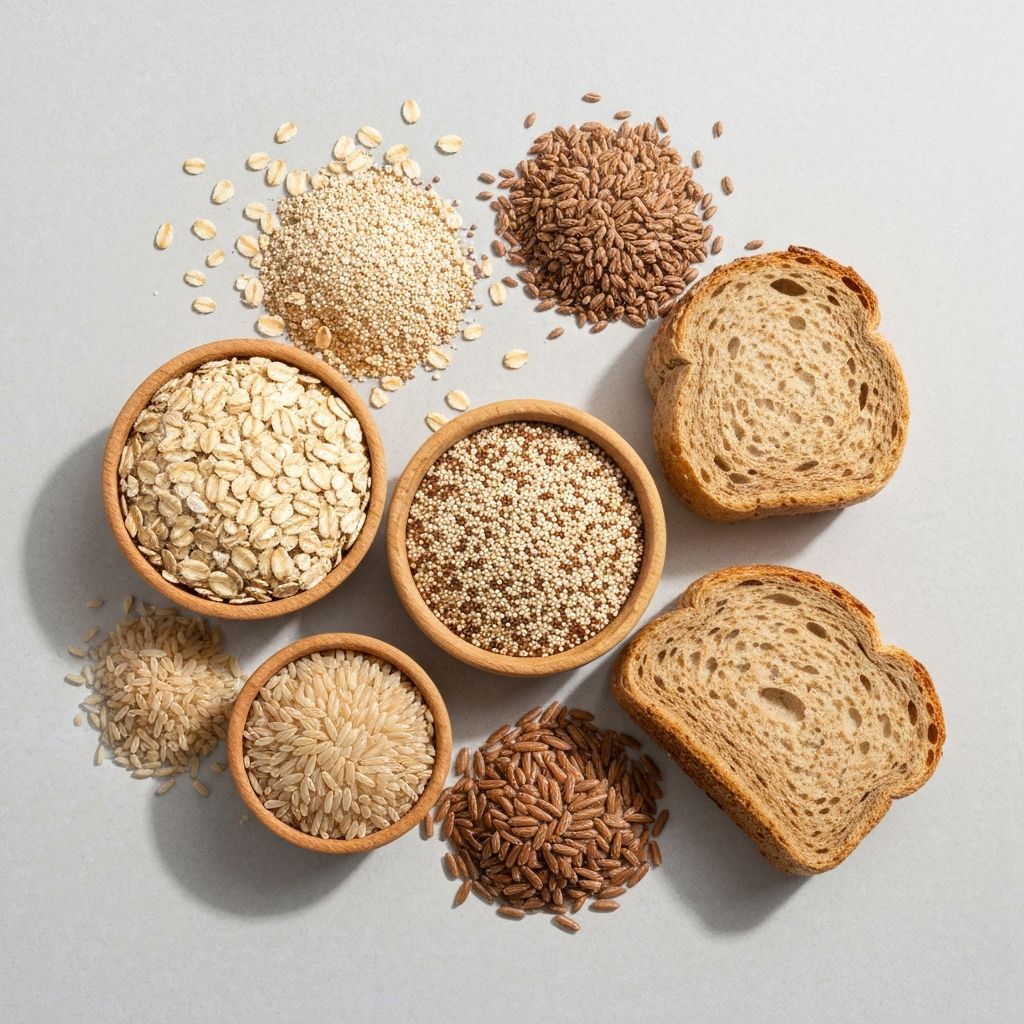
Whole Grains
Oats, quinoa, brown rice, and whole wheat bread contain fiber and various nutrients. They form the base of many traditional meal structures.
Whole grain products appear frequently in European breakfast and lunch traditions, from Austrian bread culture to grain-based dishes.
Read MoreBalanced Plate Concept
The balanced plate concept represents an educational framework for understanding meal composition. It typically divides the plate into portions for vegetables, proteins, and grains.
This concept appears in various nutritional education materials worldwide and serves as a general visual guide rather than a strict prescription.
Individual needs vary based on age, activity level, and personal circumstances, making this a contextual reference rather than a universal rule.

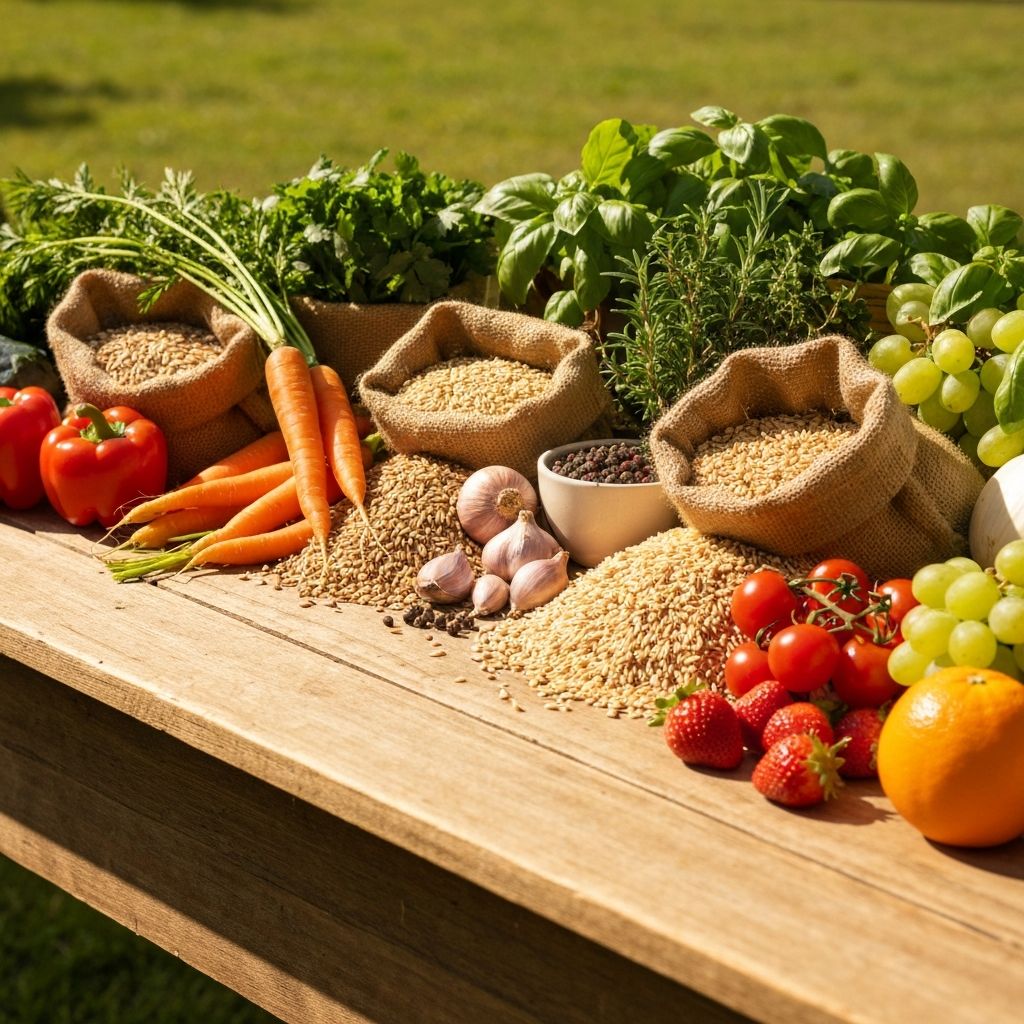
Natural Ingredients Overview
Natural ingredients refer to foods that undergo minimal processing. These include fresh vegetables, fruits, whole grains, legumes, nuts, seeds, and unprocessed meats.
The distinction between natural and processed foods exists on a spectrum, with various levels of preparation and preservation methods.
Traditional European cuisines, including Austrian culinary traditions, historically emphasized seasonal and locally available natural ingredients.
Meal Timing Context
Educational overview of how meal timing patterns appear in different lifestyle contexts.
Traditional Three-Meal Pattern
Many cultures follow a breakfast-lunch-dinner structure with meals spaced throughout the day. Timing varies based on work schedules and cultural norms.
Austrian traditions often include a substantial breakfast, a midday main meal, and a lighter evening meal, though modern lifestyles have adapted these patterns.
Alternative Eating Windows
Some individuals follow different timing patterns, including smaller, more frequent meals or concentrated eating periods. These variations reflect personal preferences and lifestyle demands.
No single timing pattern suits everyone, and approaches vary widely across individuals and cultures.
Cultural Lifestyle Notes
Brief educational context about how cultural traditions influence everyday eating patterns.
Central European Context
Austrian and Central European food cultures emphasize bread, dairy products, root vegetables, and seasonal produce. Traditional dishes often combine these elements.
Modern eating patterns in Austria blend traditional elements with international influences, creating diverse dietary approaches.
Mediterranean Influences
Mediterranean eating patterns, increasingly popular in Central Europe, emphasize olive oil, fish, vegetables, and whole grains.
These patterns represent one of many traditional approaches to everyday eating found across European regions.
Hydration Awareness
Water intake represents a fundamental aspect of daily routines. General recommendations suggest regular fluid consumption throughout the day, though individual needs vary.
Factors affecting hydration needs include physical activity levels, climate, and individual physiology. No single water intake target applies universally.
Common sources of hydration include plain water, herbal teas, and water-rich foods like fruits and vegetables. Many European cultures traditionally consume mineral water alongside meals.
Educational FAQ
What is this resource about?
This website provides general educational information about everyday eating patterns and nutrient awareness. It does not offer personalized advice or recommendations.
Who is this information for?
Anyone interested in learning general information about nutrition and everyday food choices. The content provides context rather than specific guidance.
Is this medical or nutritional advice?
No. This resource contains only general educational information. It does not replace professional consultation or personalized recommendations.
What should I do with this information?
This content serves educational purposes. For personalized guidance regarding dietary changes or health concerns, consult qualified professionals.
Are the food examples recommendations?
No. Food examples illustrate common ingredients in various eating patterns. They do not constitute recommendations for specific individuals.
Does this information apply to everyone?
Individual nutritional needs vary widely based on numerous factors. This general educational content cannot account for personal circumstances.
Limitations and Context
This resource provides general educational information about everyday eating patterns and nutrient awareness. The content describes concepts and provides context without offering individual recommendations.
Nutritional needs and appropriate eating patterns vary significantly between individuals based on age, activity level, health status, and personal circumstances. This educational content cannot replace personalized professional guidance.
Multiple valid approaches to daily eating exist across different cultures and lifestyles. The information presented here represents general educational context rather than advocacy for specific dietary patterns.
For personalized recommendations regarding dietary changes or health concerns, consult qualified healthcare professionals or registered nutritionists.
Explore More Educational Content
Continue learning about everyday nutrition awareness and lifestyle contexts.
About This Resource Contact Information